
Our Story
We firmly believe that well-executed human rights risk assessments have the power to safeguard communities and enhance corporate accountability. Our objective is to lead the way in influencing environment-intensive industry players, encouraging them to understand and actively uphold human rights irrespective of the legal, social, and environmental context.
Our project began when BHP consulted with global water experts, including the University of Notre Dame (UND), to identify actions that could be taken to help the world realize the vision of a water-secure world. BHP recognizes the criticality of water, and its Water Stewardship Position Statement sets a vision for a world where effective water governance ensures thriving communities and ecosystems for future generations, and where the human right to safe and accessible water, as well as the traditional rights of Indigenous peoples, are realized and upheld. BHP is also committed to respecting human rights through its Human Rights Policy Statement. During these consultations, UND proposed developing practical guidance for industries to understand and respect the human right to water during their activities.
From this idea, the Realizing Rights for Water project was born. A team of experts at the UND developed a multi-dimensional framework that unites company water specialists, community engagement experts, and community leadership to understand intricately contextualized water-related human rights risks.
The initiative is financially supported by BHP and private Notre Dame donors. UND consults with a range of academic, industry and government representatives to ensure the work applies best practice and is relevant for the intended users. UND maintains intellectual independence over final products.
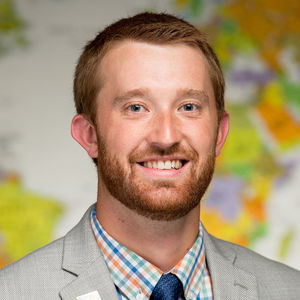
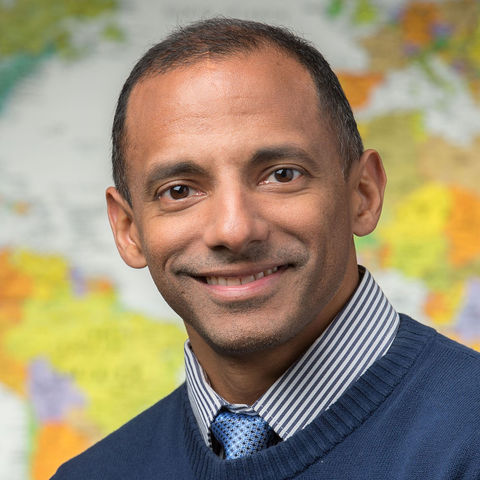
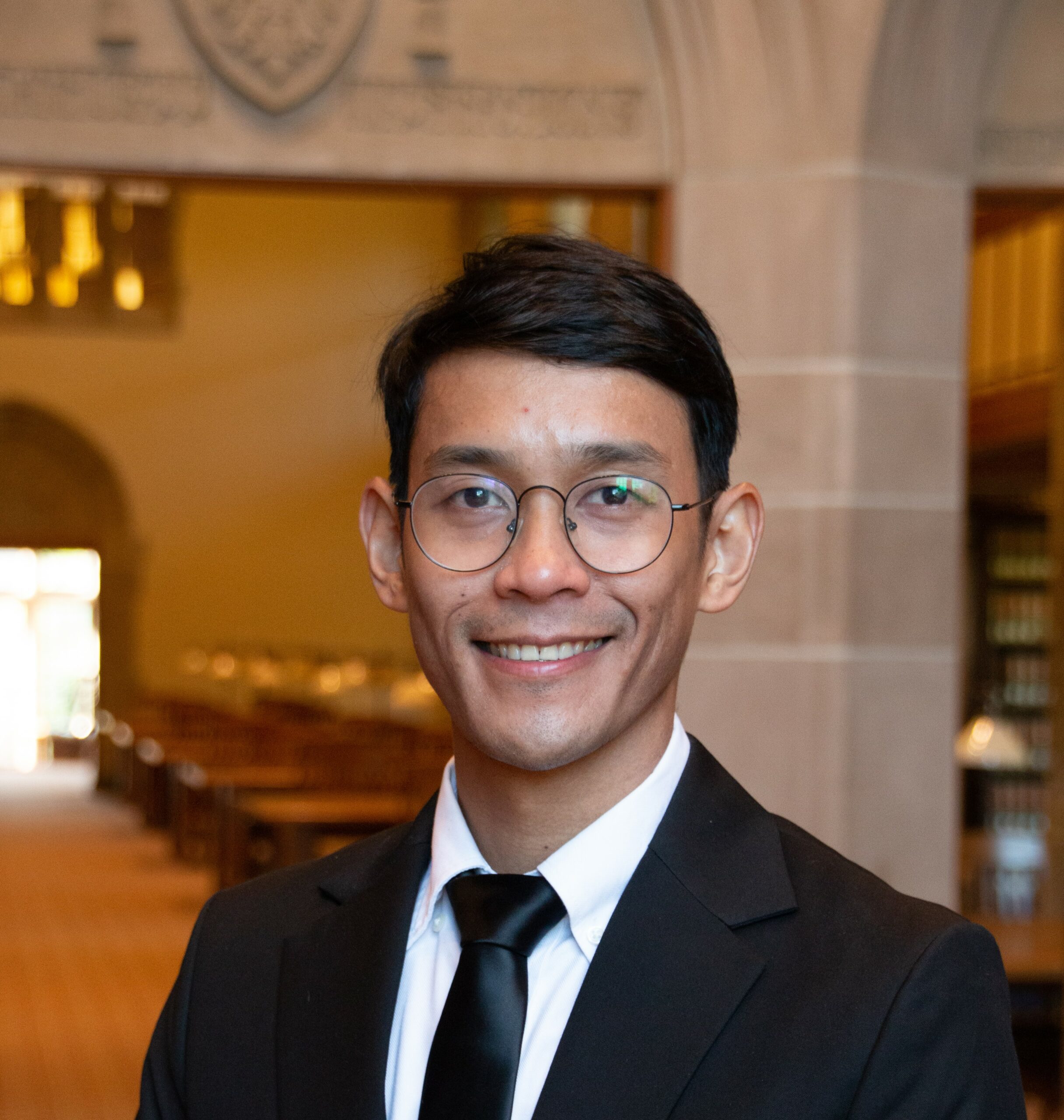
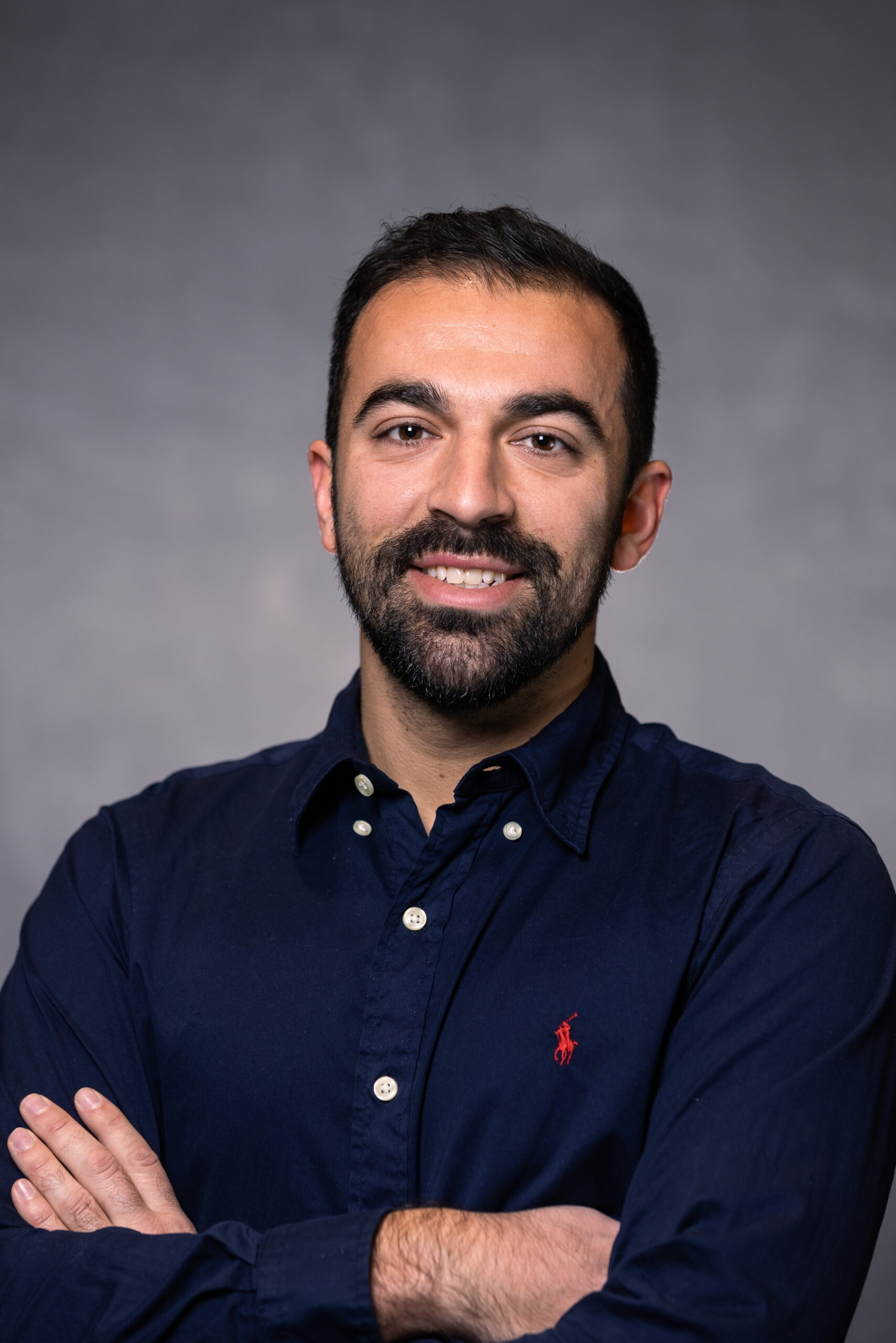
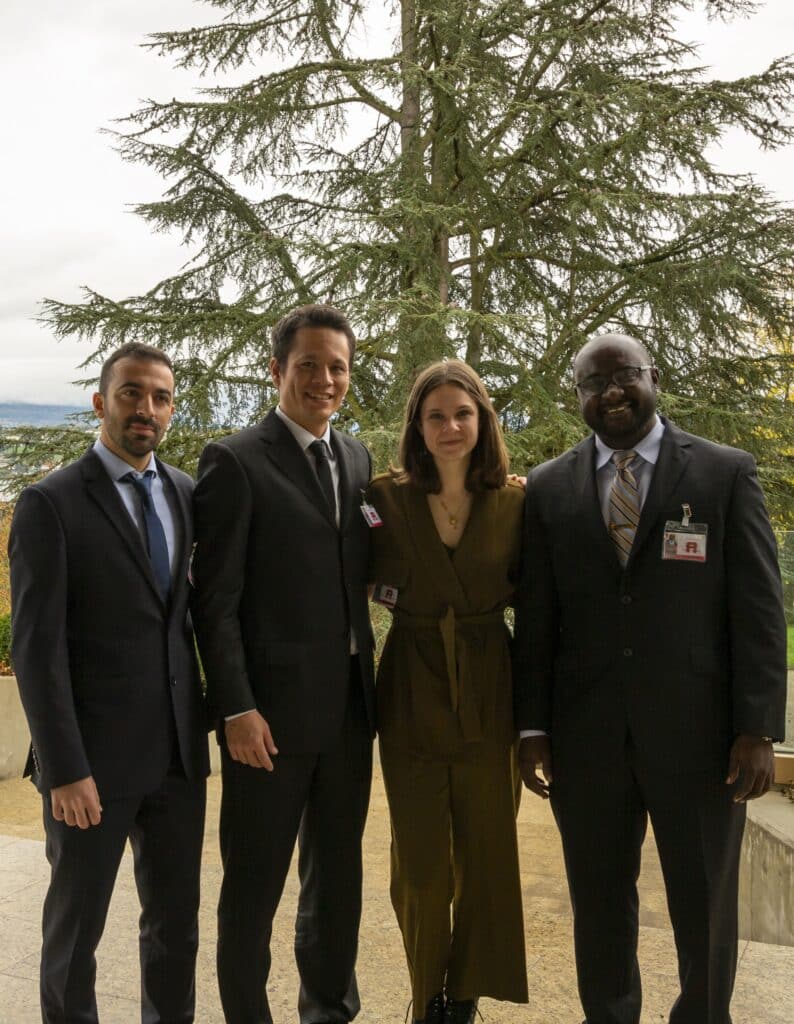
A team of tenured professors at the University of Notre Dame, student research assistants, and Pulte researchers with community development experience in low- and middle- income countries.

Professor Adams specializes in examining the social, political, institutional, and governance dimensions of environmental and natural resources. He mainly focuses on understanding human-water interactions in urban contexts in the Global South. His areas of expertise include urban water insecurity, water policy and governance, and gender and water.
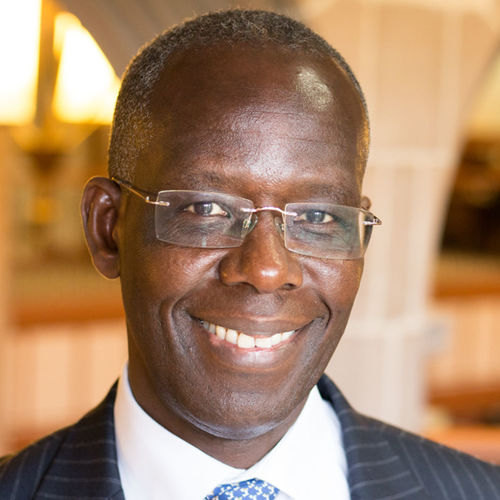
Professor Addo is an international lawyer with specialist expertise in international human rights law and human rights and international business policy. Among his many roles as an academic and lawyer, he formerly served on the United Nations Working Group on Business and Human Rights (2011-2018) with the mandate to promote the implementation of the United Nations Guiding Principles on Business and Human Rights


Professor Desierto is the Faculty Director of the International Human Rights Law program at the Notre Dame Law School. She is also a professor in the Keough School for Global Affairs at Notre Dame. She is a Member of the Expert Group of the United Nations Working Group on the Right to Development, a Resource Expert for the Association of Southeast Asian Nations (ASEAN), former Director of Studies and Faculty at the Hague Academy of International Law, President of the Friends of the Hague Academy Foundation, and Philippines Focal Point for the International Criminal Court Bar Association.


Professor Muller is an adjunct Notre Dame professor who currently serves as the Principal Investigator at Eawag – the Swiss Federal Institute for Aquatic Science and Technology – in the Systems Analysis and Integrated Modeling department. His research uses multidisciplinary strategies to examine human and water interactions. He is particularly interested in water-related conflicts, surface hydrology, remote sensing, rural electrification, information/data science, applied statistics, and geostatistics.
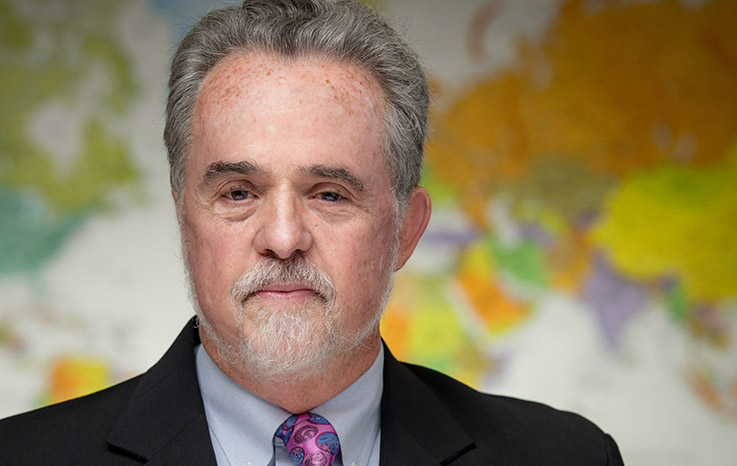

Professor Offenheisers brings extensive international development expertise across Asia, Africa, and Latin America. He previously served as the director of Oxfam America for twenty years and transformed the organization into a key voice in the United States for human rights, governance, humanitarianism, and foreign assistance. Prior to his tenure at Oxfam, Professor Offenheiser worked for the Ford Foundation, the Inter-American Foundation, and Save the Children Federation. He currently sits on the boards of numerous organizations, businesses, and universities. At Notre Dame, he directs his energy to advising the Keough School for Global Affairs and to teaching on sustainability and inequality.



Lehlohonolo January is an early career South African lawyer who worked as a Law Clerk to both Justice Z.
Tshiqi and Acting Justice Sulet Potterill of the Constitutional Court of South Africa. During his time at the Constitutional Court of South Africa, he was awarded the 2023-2024 Franklin Thomas Fellowship to attend the Notre Dame Law School LLM Program in International Human Rights Law. Prior to that, he worked as a Law Researcher for the Supreme Court of Appeal in South Africa. He received his Bachelor of Laws degree from the University of the Western Cape in 2019. Throughout his undergraduate studies, Lehlohonolo obtained various student accolades (overall winner of the UP LexisNexis moot court competition and the UWC First Year Moot, Advanced Leaders Programme, Canon Collins Educational and Legal Trust Scholarship), and worked at the UWC Law Clinic as a Student Consultant wherein he consulted with clients, took instructions and drafted legal documents on behalf indigent clients who could not afford legal services.


Oluwaseun Ojo is a Master of International Human Rights Law Candidate at the University of Notre Dame Law School. She is currently working with Pulte Institute for Global Development on a Business and Human Rights Framework focused on realizing human rights to water.
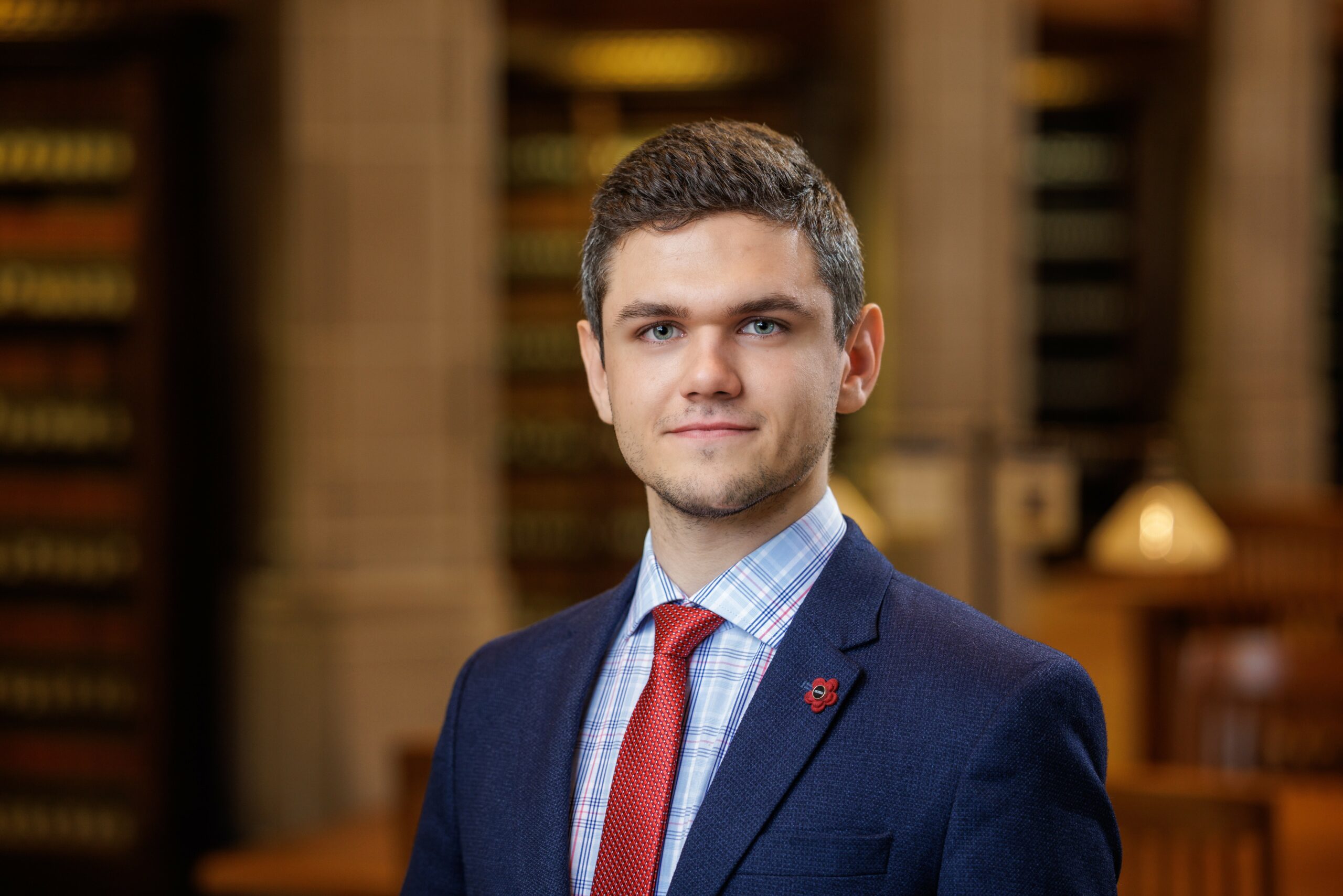

Vitaiy Kosovych is an early career Ukrainian lawyer, having graduated in 2022 with high honours from the Master of Law Program at Ivan Franko National University of Lviv (where he received the Presidential Scholarship and the Lviv City Mayor's Recognition and spent two exchange semesters at Vienna University, Austria), also graduating in 2020 from the School of German Law organised by IRZ with Ivan Franko National University of Lviv. In 2023, he graduated from the Master of Law and Business Program at Bucerius Law School in Hamburg, Germany. For 4 months he was a corporate team intern at Allen&Overy Law Firm in Hamburg and for 2 years served as a Head of the Legal Department of the Youth Council of Lviv Regional State Administration. He remains a volunteer at Rotaract Club Lviv International. He works on human rights protection, social entrepreneurship, foreign investment and corporate management, and international arbitration.



The Business and Human Rights movement evolved parallel to the Environment and Human Rights movement, which first focused on articulating and defending State obligations. As the two movements progressed, however, courts began to use the strengthened connection between human rights and the environment to declare that businesses had human rights duties relating to how they impacted the environment.
The United Nations General Assembly adopts the International Covenant on Civil and Political Rights (ICCPR) and the International Covenant on Economic, Social and Cultural Rights (ICESCR).

The ICCPR and the ICESCR would later become international law in 1976 and together, serve as the body of international human rights law that articulates the ideals set out in the Universal Declaration of Human Rights. The documents predate the movement around environmental rights but articulate rights that are closely linked with the environment, including the rights to life, health, and an adequate standard of living.
United Nations Conference on Human Rights and the Environment, the first of its kind, convenes in Stockholm.

The conference produced the “Stockholm Declaration,” which articulated a set of principles around the environment, the first being the principle that man has a fundamental right to live in a quality environment that allows for dignity and well-being. Though the outcome was a soft law statement without a direct declaration of a human right to the environment, it provoked many governments to begin to consider whether environmental rights should be entitled to their citizens and whether those rights should be protected at the constitutional level. The Declaration paved the way for many national commitments.
The United Nations creates a Center on Transnational Corporations whose goal was to create normative frameworks that could regulate the increasing power of multinational companies.

The draft code of conduct requested that multinational corporations “respect human rights and fundamental freedoms in the countries in which they operate” in addition to enforcing other principles such as freedom from discrimination and equal opportunity. The Center eventually abandoned the code after receiving pushback from Global North countries and business enterprises.
The OECD launches the OECD Guidelines for Multinational Enterprises, which consisted of recommendations by governments to multinational enterprises.

Portugal becomes the first country to adopt a constitutional right to a healthy environment.
Reverend Leon Sullivan, an African-American board member of General Motors, establishes a workplace code of conduct eventually known as the “Sullivan Principles” as a protest strategy against the South African Apartheid.

The United Nations Conference on Environment and Development produces the Rio Declaration.

Though the Rio Declaration did not assert a human right to the environment, it did strongly emphasize procedural rights around the environment, such as citizens’ rights to access information, participate in decision-making, and access redress for environment-related abuses. Today, these rights are widely accepted norms.
In Lopez Ostra v. Spain, the European Court of Human Rights confirms that certain civil and political rights, such as the right to private and family life, could justify environment-related protections and redress for affected parties.

The Court determined that a case of pollution had severely prevented Lopez Ostra from realizing rights protected by the European Convention on Human Rights. The case demonstrated a clear linkage between civil and political rights on one side and affected economic, social, and cultural rights.
The Nigerian government imprisons and kills Ken Saro-Wiwa, a key environmental activist who spent decades protesting against international oil companies in Ogoniland, Nigeria.

The act sparked international outrage, resulted in a three-year suspension of Nigeria from the Commonwealth of Nations, and set off a series of movements aimed at pushing Global North companies to address their complicity in human rights violations in other countries.
In the aftermath of Saro-Wiwa’s death, several groups bring lawsuits against Shell for its role in human rights abuses in Nigeria.

The lawsuits were brought under the 1798 Alien Tort Statute, which allows non-US citizens to file lawsuits in US courts for abuse conducted abroad, and the Torture Victim Protection Act. Shell decided to settle out-of-court just days ahead of the trial in 2009. Though no judicial ruling emerged, the lawsuit helped spark a series of other suits aimed at international companies, which in turn increasingly elevated the exposure of the business and human rights struggle.
The United Nations Sub-Commission on the Promotion and Protection of Human Rights passes Resolution 1998/8, which establishes a working group to examine the activities of transnational corporations, including their effects on human rights.
The working group would later decide to prepare a Code of Conduct for Transnational Corporations in 1999 and ultimately drafted a document entitled the “Norms on the Responsibilities of Transnational Corporations and Other Business Enterprises with regard to Human Rights” (popularly called ‘the Norms’). The draft articulated eighteen human rights principles that related to the activities of international corporations.

The European Union and 46 States sign the Aarhus Convention, a treaty focused on articulating procedural environmental rights.
The Secretary General of the United Nations launches the Global Compact.

The Global Compact was the first soft-law, UN-led initiative that fully revolved around corporate human rights responsibilities. It requires all participating companies to embrace and help realize ten principles that emanate from four core areas of human rights, labor, corruption, and the environment.
The UN Commission on Human Rights rejects the Norms, citing disagreement with the stated legal implications for businesses and States.

Ecuador includes the “right to nature” within its constitution.

This marked the first time a State had enshrined rights to nature and clarified the content of such rights. The right has subsequently been applied in numerous legal disputes, including a landmark ruling in 2021 that determined that a mining permit in Los Cedros was unconstitutional because it would violate the rights of nature. Other countries like Bolivia and New Zealand would follow in Ecuador’s footsteps.
The United Nations passes a new resolution that recognizes the human right to water and sanitation

The resolution formalized that clean, safe, accessible, and affordable drinking water was a fundamental right for all. The decision clarified State obligations around the resource and represented a key step in linking environmental outcomes with human rights ones.
The UN Human Rights Council unanimously passes the Guiding Principles on Business and Human Rights (UNGPs).

Dissatisfied with the inability of the UNGPs to prevent corporate-driven abuses, Ecuador and South Africa lead 80 states in submitting a statement to the Human Rights Council stating that the states would work to elaborate a legally binding instrument.

After the resolution passed the Human Rights Council, an intergovernmental working group was established to begin drafting a treaty that would regulate international business activities. Treaty discussions are still ongoing today.
The Inter-American Court of Human rules against Suriname in Kaliña and Lokono Peoples v. Suriname.

The rare and unprecedented court decision found that the relevant business enterprises had, through adverse impact on the environment, infringed on the rights of indigenous peoples. The enterprises had the duty to respect and protect human rights in addition to providing redress for impacts linked to their enterprise activities. It is unclear whether the provision of the duty to “protect” rights had been erroneous or intentional, but regardless, the case clearly presented a landmark ruling for the region concerning business human rights responsibilities in the context of environmental stewardship.
France passes the groundbreaking Duty of Vigilance Law.

The law requires large French companies to publish an annual “vigilance plan” that articulates how the company will identify risks and prevent severe human rights and environmental abuse resulting from both company activities and the activities of companies directly or indirectly under its control. In 2023, Germany’s Supply Chain Act entered into force with similar requirements.
In a landmark decision Milieudefensie v. Royal Dutch Shell, the Hague District Court ruled that Shell (a private company) violated its human rights obligations by failing to take adequate action to curb contributions to climate change and directed the company to reduce its emissions by 45% by 2030.

The ruling was significant in that it represented the first time a court ruled for a private enterprise to align itself with the Paris Agreement. The ruling likely will set a precedent for future cases brought against private companies regarding their emission duties.
The United Nations General Assembly recognizes the human right to a clean, healthy, and sustainable environment

Rigor is not just our commitment, it’s our cornerstone. At SHRI, we are dedicated to providing a platform that most comprehensively captures water-related human rights threats in diverse legal and environmental settings. Our case studies help us validate our assessment and demonstrate the breadth and depth of water management considerations.
Our expertise lies in the integration of mixed water management concerns: direct hydrological features, local relationships and history with water, governance weaknesses, and legal frameworks surrounding responsibility. What sets us apart is our ability to anticipate challenges and provide targeted resources specifically for water-intensive industrial contexts. This preventative strategy, validated across government, NGO, and private sectors, signifies a paradigm shift for human rights assessments.