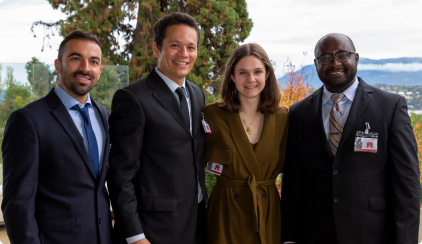
We are an interdisciplinary team of professors and experts with a mission to
protect the social and environmental well-being of communities living among
resource-intensive industries. Led by the Pulte Institute for Global Development
at Notre Dame, we focus on building the capacity of industry actors to conduct
thorough human rights due diligence assessments in relation to potential
environmental impacts.
The ongoing Sustainability and Human Rights Initiative (SHRI) emerged from the Realizing
Rights for Water project, a collaboration between Notre Dame and a mining company.
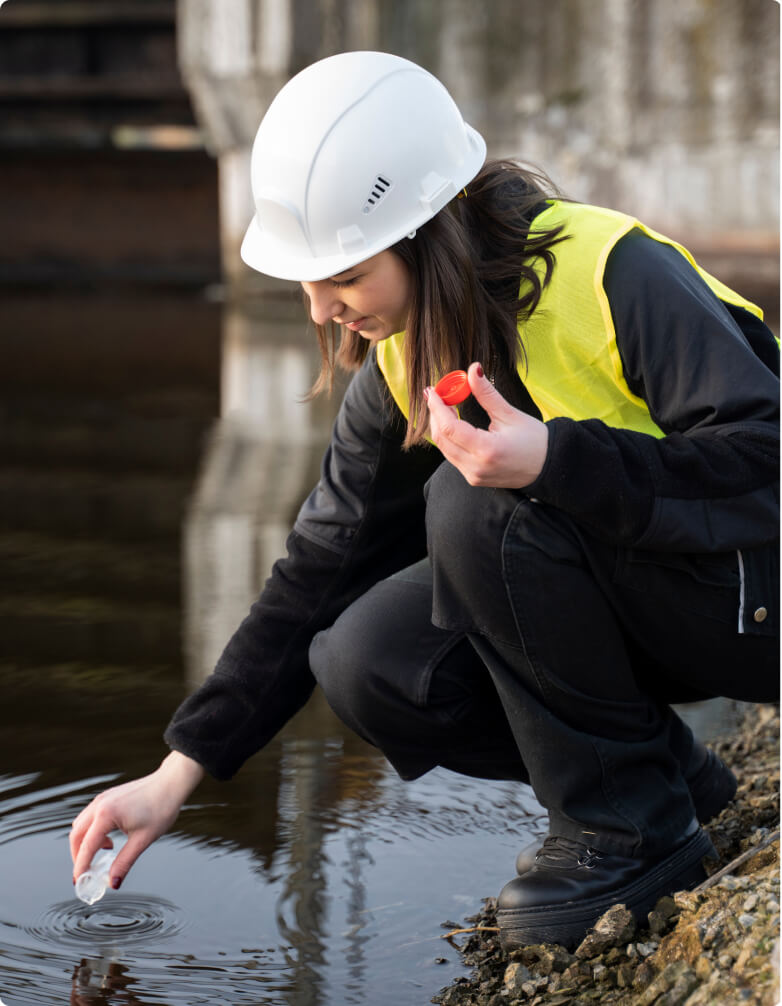
We crafted a strategy for industry actors to proactively implement a human right
lens when assessing their water-intensive industrial settings, such as the
beverage, garment, and mining sectors. The resulting framework merges
hydrological, governance, legal, and ethical components of water
responsibilities into one approach. Water stewards are empowered to unify their
environmental and social strategies so they can wholistically contextualize and
anticipate how water usage may impact surrounding communities.
Our Case Studies
Plachimada, India
The following case study explores the negative impacts of a
Coca-Cola beverage plant in Plachimada, India and, in light of
the impacts on the human right to water, provides guiding
questions for future risks should the company reopen or move the
plant. The factory, located in a rain shadow area prone to
drought, has caused problems for the surrounding communities
owing to its water-intensive industrial processes. Ground-water
extraction has disrupted water supply for neighboring
communities that rely on the same water source, and wastewater
production has threatened the environment with hazardous and
dangerous chemicals, exacerbated by the fact that the beverage
plant marketed the waste by-product as viable fertilizer.
Lithium mining activities in Chile’s Salar de Atacama region
cause severe environmental and hydrosocial effects for the
Atacameno indigenous communities. Key issues in this study
include mining activities’ high consumption of water that may
threaten local cultural water sources in the area, Chile’s Water
Code that privileges commercial water use for mining over other
uses, and the loss of water rights for indigenous peoples and
rural communities.
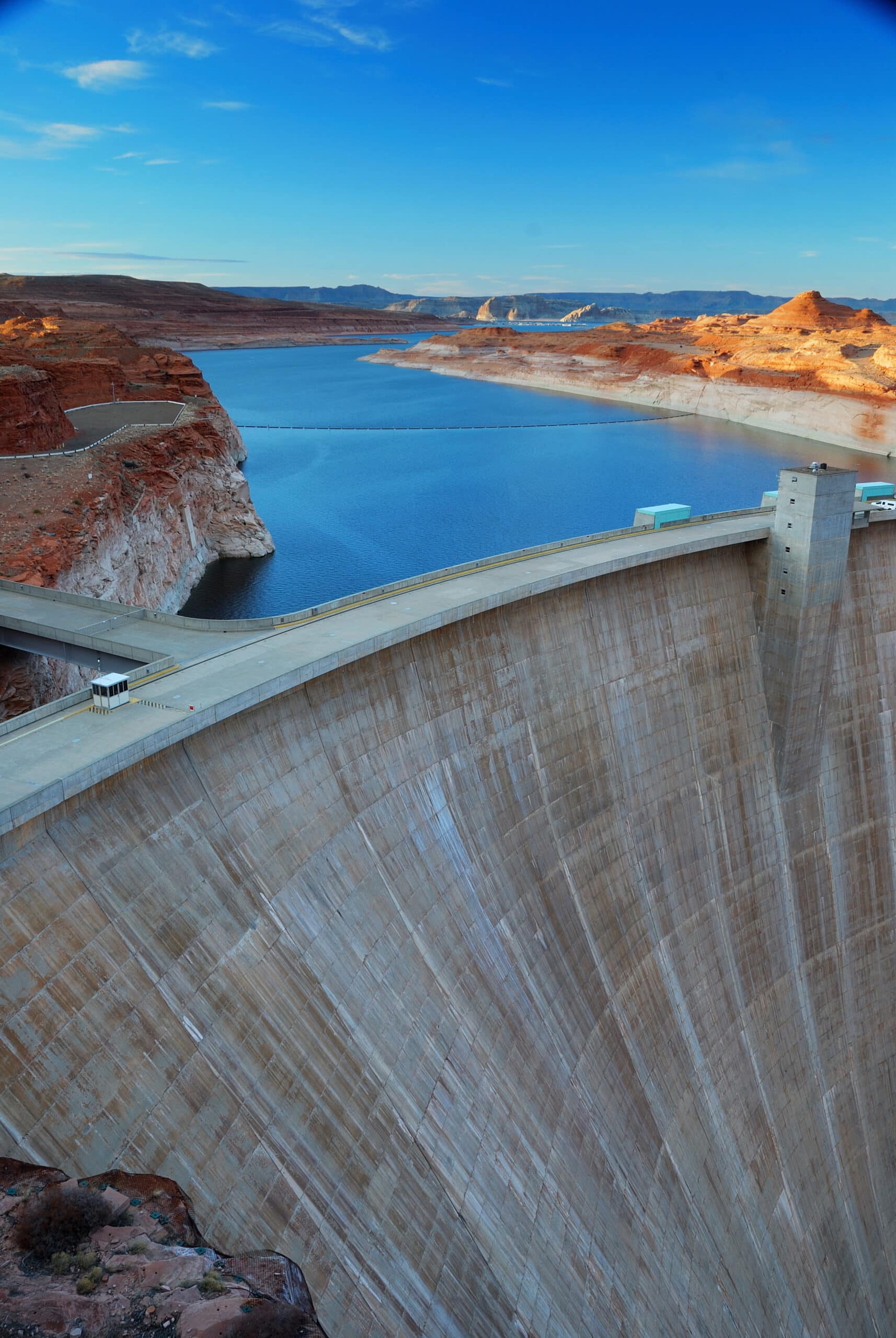
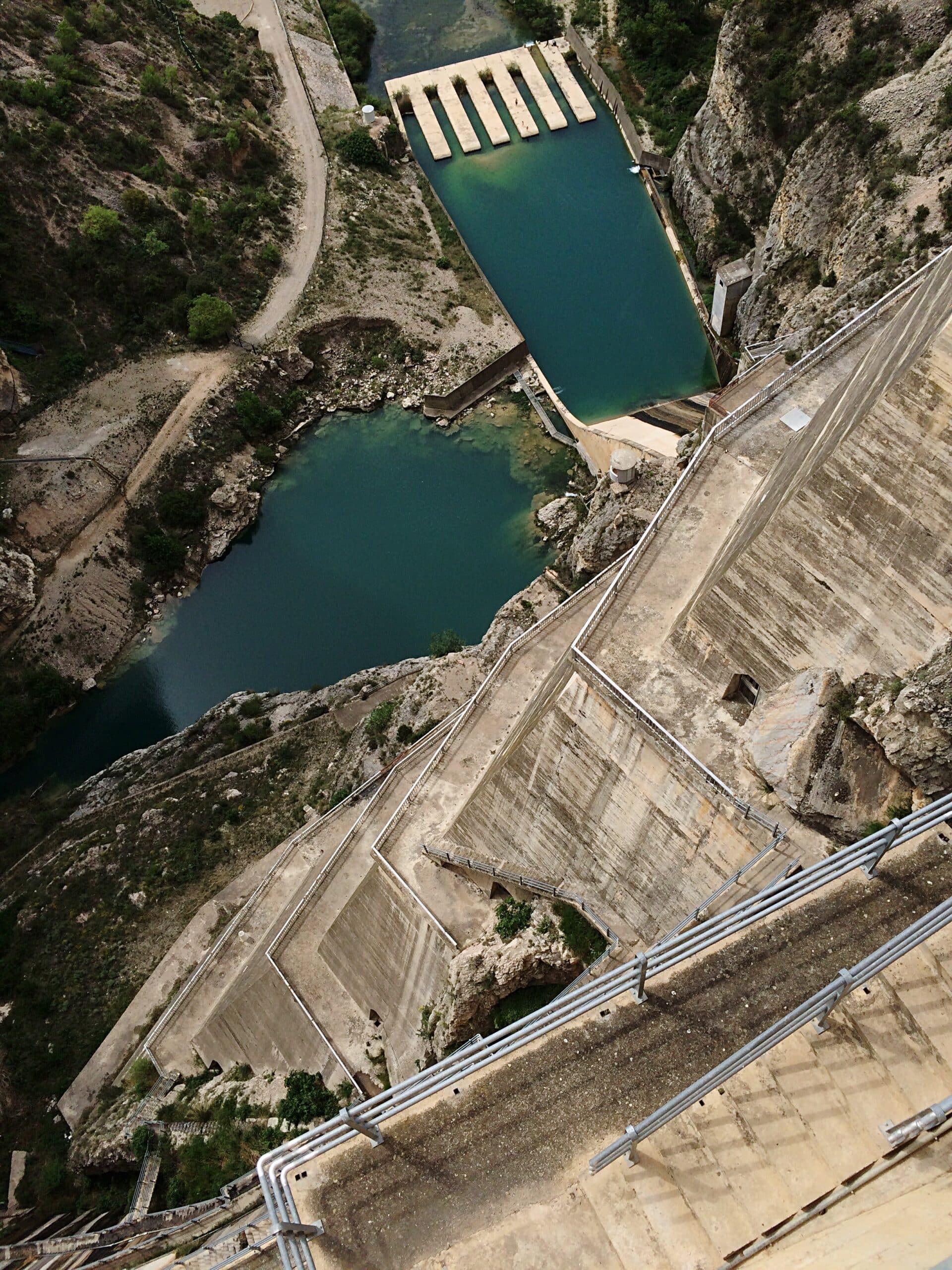
The Lower Sesan II (LS2) dam, opened in 2018, is the largest dam
ever built in Cambodia and is located near the convergence of
three rivers that significantly contribute to the overall Mekong
Basin streamflow and sediment movement. The initial filling of
the dam led to the flooding of seven upstream villages that
ultimately displaced a predicted 1,059 households from areas of
great cultural and historical importance. Erratic river flow
fluctuations due to dam operations and the homogenization of
streamflow every year also impacted migratory fish populations
and other downstream subsistence means and continue to threaten
downstream environments of spiritual and cultural importance.
Other key issues include a lack of prioritization on the
government’s part of downstream community needs, inadequate
compensation for any of the impacted communities, and
limited-to-no community consent or involvement in
decision-making processes.
Our case study is currently in progress! Stay tuned as we
dedicate ourselves to developing this insightful case study.
We're curating valuable information to share with you.
25%
Look out for upcoming updates!
Lower Omo Valley, Ethiopia
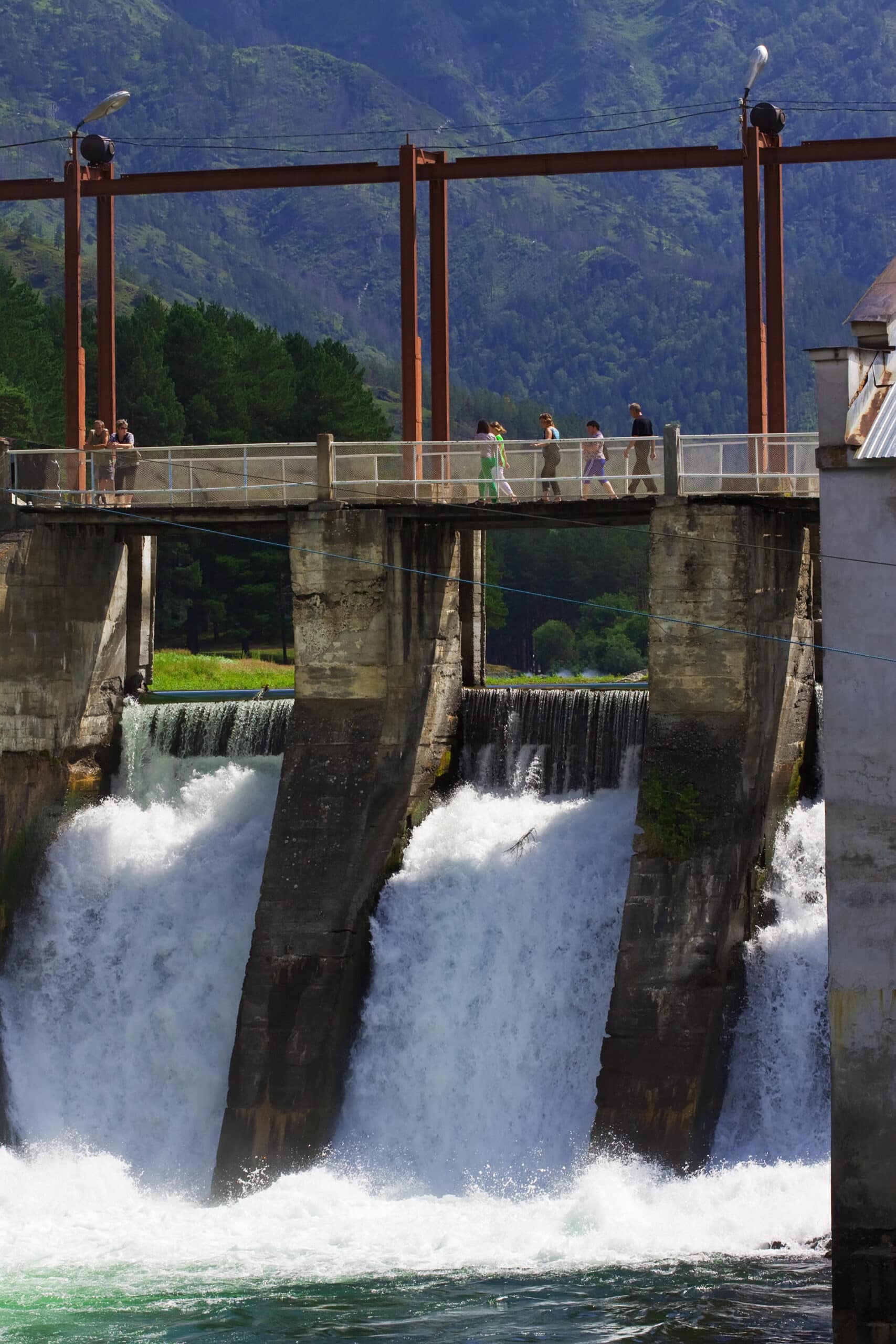
A series of dam infrastructure projects, especially the Gibe III
dam completed in 2015, are severely affecting some 500,000
people along the Omo River and Lake Turkana in Ethiopia. Key
issues include the severe environmental impacts on the river and
river-reliant wildlife, the subsequent upheaval of the
communities’ agro-pastoralist and fishing livelihoods, State
intimidation to comply with the development and in some cases
State-sponsored forcible displacement, and high likelihood of
inter-community and State-community conflict over the expected
environmental and social impacts to the area.
Our case study is currently in progress! Stay tuned as we
dedicate ourselves to developing this insightful case study.
We're curating valuable information to share with you.
15%
Look out for upcoming updates!
Noyyal River Basin, India
The following report describes the Noyyal River Valley in the
Tamil Nadu state in 2011. The valley was (and remains) a key hub
for cotton knitwear production. During the time of focus, dyeing
and finishing industries released a substantial amount of
untreated wastewater and effluent into the Noyyal River,
contaminating surface water, groundwater, and soil in the
region. The contaminated river endangered the livelihoods of
local people, fishermen, and farmers who relied on it for
domestic use and irrigation. Governance failures around
pollution control largely stemmed from weak local institutions
that had the right to enforce regulation but could not control
the powerful industry to change behavior. Groundwater extraction
presented a more complicated governance system with conflicting
legal interpretations of groundwater rights.
Our case study is currently in progress! Stay tuned as we
dedicate ourselves to developing this insightful case study.
We're curating valuable information to share with you.
35%
Look out for upcoming updates!
Lower Churchill River Valley, Canada
The following case study explores the human rights risks and
considerations associated with the installment of the Lower
Churchill Dam in the Province of Labrador and Newfoundland. The
analysis of this case is unique in that the project took place
in a high-governance context and already included several
mitigating measures to minimize potential environmental and
social effects. Yet, the project still received enormous
pushback from the community and may not have fully addressed the
issue of potential methylmercury poisoning of the Churchill
River, a key concern that still has the potential to impact the
way of life of the local Inuit populations downstream of the
dam.
Our case study is currently in progress! Stay tuned as we
dedicate ourselves to developing this insightful case study.
We're curating valuable information to share with you.
20%
Look out for upcoming updates!
Copperbelt Province, Zambia
Our case study is currently in progress! Stay tuned as we
dedicate ourselves to developing this insightful case study.
We're curating valuable information to share with you.
30%
Look out for upcoming updates!
South Gobi Desert, Mongolia
Our case study is currently in progress! Stay tuned as we
dedicate ourselves to developing this insightful case study.
We're curating valuable information to share with you.
20%
Look out for upcoming updates!
Plachimada, India
Atacama Desert, Chile
Lower Sesan River, Cambodia
San Joaquin Valley, USA
Lower Omo Valley, Ethiopia
Murray Darling Basin, Australia
Noyyal River Basin, India
Monterrey, Mexico
Lower Churchill River Valley, Canada
Permian Basin, Texas
Copperbelt Province, Zambia
South Gobi Desert, Mongolia
Agriculture
Mining
Beverage
Textiles
Hydropower
Oil & Gas
Dive Deeper into the Cases
Explore our case study database to investigate key human rights considerations depending
on the industry, location, governance setting, and environmental condition
Empowering Industries to Adopt a Human Rights Approach
SHRI aims to make human rights accessible, comprehensive, and adaptive to
context-dependent environmental conditions. Our human right to water framework
creates pathways for industry actors, especially engineers and other operations
personnel, to understand human rights risks and adapt projects in consultation
with communities and legal experts.
“With a looming 40% water deficit projected by 2030 and an anticipated five billion
people facing seasonal water insecurity by 2050, industry actors have a
responsibility to adopt sustainable, ethical solutions for minimizing impact to the
environment and to communities.”
Framework Qualities
Focused on proactive industry behavior
Industry actors have human rights
responsibilities when it comes to how they shape
the environment. To best uphold these
responsibilities, our framework empowers them to
implement mechanisms that prevent abuse, not
just monitor outcomes.
Deliberately open-ended
The best way to address human rights concerns
will be different every time. The framework does
not seek to prescribe one-sized solutions but
rather direct attention to the most critical
specific human rights questions that will
necessarily require solutions unique to each
context.
Anchored in community engagement
Though focused on industry actors, we cannot
lose sight of the role that the community itself
should play. At key moments during the
framework, industry actors are called to gather,
consult, clarify, and define water’s values and
usages in coordination with critical community
stakeholders.
Comprehensive but accessible
It is impossible to understand what the human
right to water means in any setting without
understanding context-specific values, needs,
and uses of such water. This requires an
intentional connection between the universal
framework of the human right to water and
location-based hydrological and governance
conditions. The framework offers a pathway for
robustly drawing these linkages while remaining
friendly to non-experts.
Multi-disciplinary and multi-dimensional
The framework aims to bring together
environmental and social experts across a
company to work together on an issue that
involves both perspectives. The framework aims
to use this integration to distill a more
holistic picture of water, one of water as not
just a resource, but also as a cultural and
social good.
Prev
Next
Discover Our Approach
Explore the scientific, ethical, and legal theories that underpin our approach.
Learn more about how our approach enhances or integrates existing frameworks and
best practices on business and human rights.